
Why Smart Devices Are the Future of Modern Living in Australia
Smart Devices Transforming Homes
As a smart home integration expert, I'm excited to explore how devices like mini fridge units are now more advanced than ever. These compact, efficient appliances offer great energy savings, especially when compared to traditional units. Whether it's in your kitchen or office, a mini fridge offers both practicality and sustainability.
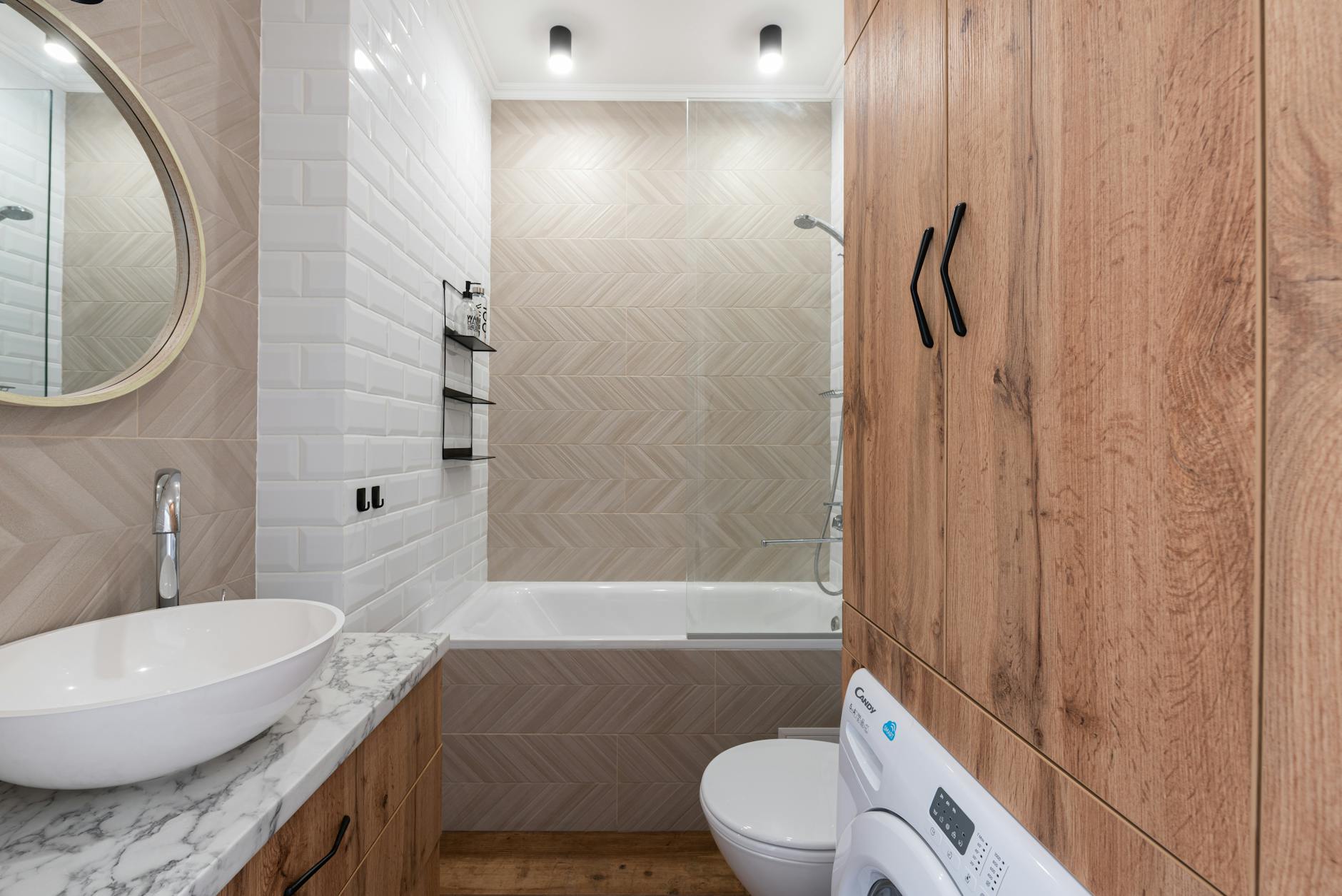
When examining how dryers and bar fridges can be pivotal in our homes, it’s important to focus on energy efficiency. Modern dryers have advanced considerably, incorporating sensors to optimise drying cycles, which not only save energy but also extend the life of your clothing. Bar fridges, with their compact sizes, are perfect for small spaces, consuming less energy while maintaining cooling efficiency.
For those venturing into this intriguing world of home automation at places like the Powerhouse Museum’s smart device exhibits, it's clear that integration is crucial. For seamless operation, it's imperative to select appliances that communicate effortlessly through smart hubs, reducing energy consumption and contributing to a greener planet.
In the tech hub near Pyrmont, we see innovations that are shaping how we interact with appliances at home. Integrating appliances with smart systems means setting temperature and power schedules, ensuring minimum energy wastage. As energy efficiency becomes a priority, appliances are now designed with sustainability in mind.
This shift toward smart, integrated home systems offers a clearer path to energy-efficient living, making significant strides toward sustainable practices.
Enhancing Energy Efficiency
Optimization of Energy Usage
As an environmental engineer with a passion for sustainability, I'm always looking at how to use fewer resources while maintaining effectiveness. Energy-efficient smart home solutions, like those showcased at the Powerhouse Museum, can significantly improve energy management in your household. For example, integrating devices such as chest freezers with smart technology allows users to monitor and optimise temperature settings, conserving energy during off-peak hours. Smart home systems offer detailed insights into energy usage patterns, enabling informed decisions and reducing wastage.
Eco-Friendly Appliance Innovations
An array of appliances now feature eco-friendly innovations, blending cutting-edge technology and energy efficiency. A clothes dryer with smart sensors is one such example, designed to adjust drying times based on moisture levels, thereby minimising energy consumption. Furthermore, devices with enhanced connectivity can be easily managed through apps, empowering users like you to control them remotely. For those keen on building a more sustainable living environment, these innovations offer practical ways to reduce energy consumption.
Reducing Carbon Footprints
The rise of smart home technologies plays a key role in reducing our overall carbon footprints. Whether it's optimising energy usage or adopting eco-friendly appliances, each step contributes to more sustainable living. Emphasizing smart technology integration not only aligns with ecological goals but also fosters environmental responsibility among tech enthusiasts. By leveraging smart appliances, homeowners can lead by example, demonstrating how contemporary technology can meet sustainability objectives effectively.
Improving Safety and Security
Smart Surveillance Systems
I've seen how smart surveillance systems can be a game-changer in boosting your home's security. Investing in these systems equips homes with cameras that offer high-resolution video, night vision, and motion detection alerts via your smartphone. By setting up a smart surveillance system, you can keep an eye on your property whether you're around the corner or at an exhibit at the Powerhouse Museum. Pairing it with a smart TV allows you to view live feeds on a larger screen, adding convenience and enhancing peace of mind.
Automated Locks and Access Control
Smart door locks represent a significant leap forward from traditional systems. With automated locks and access control, you can unlock doors using your phone or a fingerprint—no more worrying about lost keys. These systems allow you to grant temporary access to guests remotely, ensuring complete control over who enters your home. Implementing such technology enhances security and offers unparalleled convenience.
Advanced Fire and Hazard Detection
When it comes to keeping your home safe from fire hazards, integrating advanced fire detection systems can be vital. These detectors go beyond traditional smoke alarms by identifying dangerous levels of carbon monoxide and other gases. Furthermore, you can connect these systems to your smart home network to receive alerts on your mobile device if an issue arises, even while you're busy exploring innovations in smart appliances like the latest from Bosch dishwasher.
Facilitating Convenience and Comfort
Personalized Automation Routines
Incorporating personalized automation routines into smart homes offers a bespoke living experience, tailoring everyday activities to fit individual lifestyles. As someone passionate about energy-efficient practices, activating specific routines to reduce energy consumption can be quite beneficial. Imagine your evenings, winding down with your Samsung television, programmed to switch to your favorite eco-documentary as the lights dim to save energy. This level of automation doesn’t just enhance convenience; it aligns smart living with sustainability goals by efficiently using resources.
Voice-Activated Assistants
Voice-activated assistants have become integral in modern smart homes, enabling seamless interaction with multiple devices. These assistants can manage everything from playing music to controlling induction cooktops, making it easier than ever to multitask. With a simple voice command, you can adjust settings on your smart appliances, optimizing not only convenience but also energy use, a feature that should appeal to someone with your emphasis on sustainable living.
Remote Device Management
Remote device management transforms how we interact with our home technologies, offering unparalleled control over smart devices, even when you're not at home. This is particularly valuable in your line of work, allowing you to monitor and manage household energy consumption via phone or tablet. Tuning into the latest smart device exhibits at the Powerhouse Museum can provide additional insights into leveraging these technologies for efficient home management. Whether it's adjusting your climate settings or ensuring appliances are turned off when not in use, this capability furthers your commitment to sustainability.
Overcoming Smart Home Challenges
Navigating Compatibility and Integration
One key challenge in smart home integration revolves around ensuring seamless compatibility across devices. Many of us in, say, the tech incubators at Eveleigh, understand the complexity of mixing products from different ecosystems. To mitigate these issues, it's crucial to prioritize devices supporting universal standards like Zigbee or Z-Wave. These protocols facilitate smoother communication and integration, reducing headaches from misaligned functionalities or firmware updates. Native apps available in Sydney's start-up scene often streamline this process by offering unified interfaces for diverse systems.
Fortifying Privacy and Data Security
When it comes to smart home systems, privacy and data security are paramount. As we've seen in the tech hub near Pyrmont, a secure network relies heavily on robust firewalls and encrypted data transmissions. Maintaining up-to-date software on all devices is critical in preventing cybersecurity vulnerabilities. Additionally, I recommend regularly reviewing access permissions and practices such as using strong passphrases. Consider smart home devices that offer local storage options to further safeguard sensitive data.
Weighing Costs Against Technological Benefits
Balancing costs with the adoption of cutting-edge technology can be daunting, particularly if you're aspiring to establish your smart ecosystem. I’d suggest evaluating your primary needs and starting with essential solutions like energy management with smart appliances or security systems. Many solutions demonstrated at the Powerhouse Museum showcase adaptability, making gradual upgrades both feasible and efficient. Always consider long-term savings, such as reduced power bills through optimised smart lighting, to justify investments in tech-forward solutions. With these strategies, integrating smart home technology becomes a sustainable and rewarding experience.